PLEASE READ.
Hell Is Us is rated M for Mature (17+). This post discusses themes and content that some readers may find unsettling. Although the game is fictional, it deals directly with religion, fanaticism, psychological trauma, and heavy emotional themes that might not sit well with everyone. If you have experienced difficulty separating fiction from reality in the past, I’d advise against playing the game.
Additionally, this is both a personal opinion piece and an in-depth exploration of the game's lore. I’ll be diving into the narrative threads, worldbuilding, and mysteries I found most intriguing across Hadea. If you prefer to experience the story completely blind, bookmark this and play the game first.
Let's explore what fascinates me about Hell Is Us
My exploration might jump around a bit, but I hope you enjoy the ride.
Rogue Factor deserves serious credit for what they built with Hell Is Us. It’s rare for me to care enough about a game’s lore to sit down and unpack it, but here I am writing about this gem. This isn't an academic breakdown—it's a relaxed format where I can lay out my intrigue, theories, and love for what the studio pulled off.
When the credits roll, you might think you have enough pieces to understand what makes Hell Is Us tick. But the more you poke around the lore, the more disjointed the puzzle feels. You’re left asking where it all actually started—the root of the myths, the curse, and what it all means. So many threads are left dangling, and I can only hope a sequel is in the works so I can finally scratch this itch.
Before diving deeper, a quick note for the reader: Hell Is Us does not pull its punches. The narrative explores the darkest corners of human history—state-sanctioned ethnic cleansing, religious pogroms, and the systematic dehumanization of an entire people. If you’d rather avoid those themes, this article won't be for you.
At the very center of Hadea sits the god Sethyris, and behind Sethyris are the land's ancient inhabitants: the Hasalins. Below, we'll trace how their survival transformed into a bloody theocracy.
And just to be clear: I’m not claiming to be some authority on the lore. I love this game, but a lot of what I’m piecing together could be wrong. That’s part of the fun.


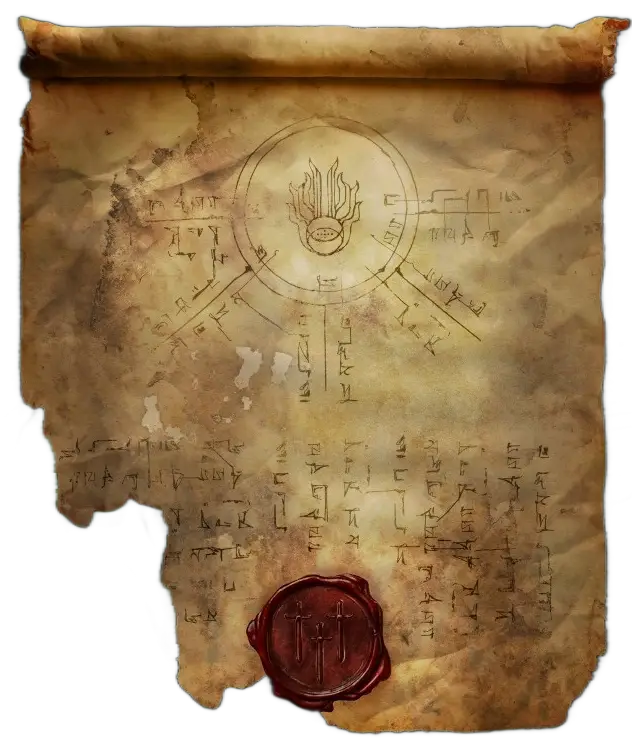
Humble Beginnings: Shamanism and Survival
In Old Hadea, around 11,700 BC, the Hasalins arrived—fleeing a global catastrophe during the Younger Dryas. The conditions were brutal: freezing temperatures, biting winds, and lethal mountain terrain. Yet against the odds, their gamble paid off.
Grounding the lore in the Younger Dryas is brilliant. That period is already a hotbed for wild, entertaining rabbit holes on the internet—lost civilizations, cataclysmic floods, even attempts to link it to Noah’s Ark. I don’t claim to be an expert on it; I just see those theories pop up on my YouTube feed from time to time. They make for fun viewing, but nobody should treat them as gospel without hard scientific receipts.
Anyhow, back to the Hasalins.
The Hasalins adopted shamanism, and like most early signs of tribal society, each tribe had a priest to guide each tribe member. These priests counseled, healed, and anchored their people. For a time, things held together. There were no conflicts, and no unadulterated hatred that we know of so far.
To have new traditions after braving natural disaster is itself amazing. Each tribe could technically have its own sets of beliefs, and unique spiritual channeling from tribe to tribe. It opens up a whole new layer of how much of the beliefs from those tribes have been actively adopted by modern Hadea. The game doesn’t make any references to what has been inherited per tribe, however, modern Hadea does inherit something greater, later to be discussed as we continue.
Legendary tales, oral traditions, Sethyris, and Teaar
Sethyris is presented as the creator of all. Teaar, his rival, is a “jealous” force trying to undo creation. Did humans take their form from Sethyris? Hard to say. The game hints at it, but most depictions reduce Sethyris to his Eye (this is my assumption).
Teaar, on the other hand, takes the form of two serpents. Think of him as the Lucifer figure. Followers of Teaar argue Sethyris tricked him, painting Sethyris as a false god.
If there’s something a Palomist and Sabianist agree on is that no one wants to have any business with the followers of Teaar. They are simply a bit out of their minds, even in the game while reaching the plains you already see a glimpse of what they are. The test to follow Teaar’s commandments are brutal to say the least.
There’s a bit of blurriness of how Sethyris came to be. Where were the early signs of the tribes suddenly switching to Sethyris, and therefore making Him the holy figure and foundation of modern Hadea. Was Sethyris a mortal, was Teaar walking amongst mortals? Who knows.
And yet... the artifacts paint a different picture. Maybe hinting the slow adoption of Sethyrism. But who, or what started this belief? Someday I’d like to find out. We never get a full-bodied story of how things came to be. I understand the reason; stories don’t need to explain every nitty gritty of the story.
Palom and the eight tribes

So how did disparate Hasalin tribes suddenly consolidate into a unified dogma?
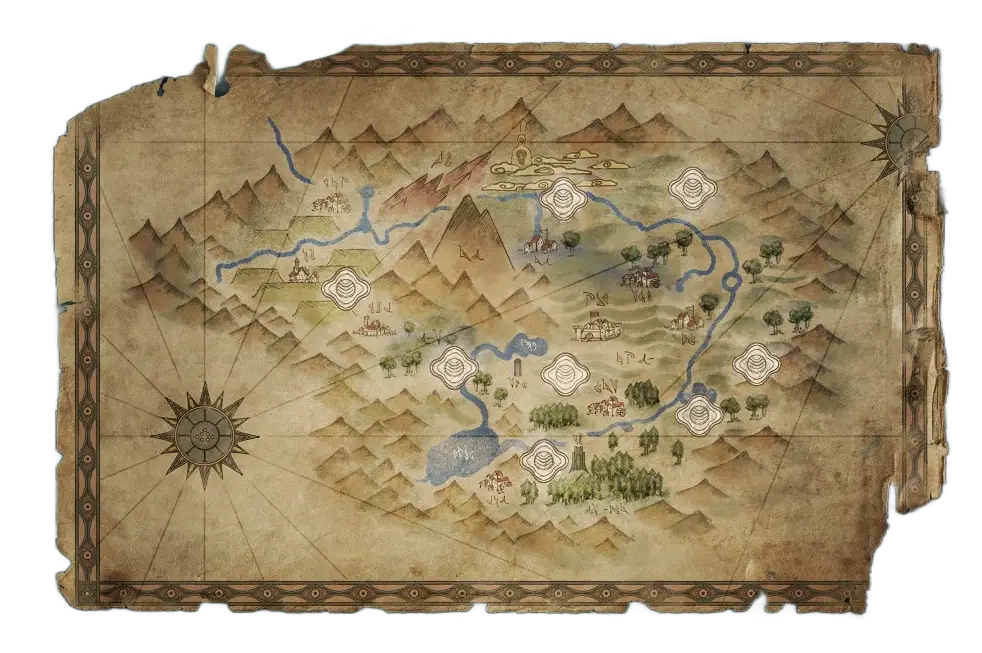
After migrating into the mountains and valleys of Hadea, eight distinct tribes formed, each with its own customs and folklore.
Eventually, seven of those tribes converged around the worship of Sethyris.
One tribe refused. They rejected Sethyris entirely, broke off, and established the worship of Teaar in the Vysa Hills. When you explore that region, you can still see their sheer dedication carved into the landscape through remarkable stone craftsmanship.
The remaining seven tribes merged their oral histories and rituals into a single organized faith centered on Saint Palom. How that unification actually happened is one of the game's biggest mysteries. Who was Palom as a mortal man before he became an icon? What gave him the authority to unite rival chieftains?
Palom's role is unique: he isn't the god—Sethyris is—but Palom became his mortal conduit. The tribal shamans formed a ruling Conclave, leveraging Palom's teachings to crown themselves rulers of Hadea under a centralized theocracy.
Most critically, Palom achieved something monumental: he made the first discovery of the Eye of God.
That singular event cemented his divine authority and laid the cornerstone for Palomism.
Sabin Gau and the Reformists
Several hundred years after Palomism flourished across Hadea, a young Palomist named Sabin Gau accused the church of corruption. His writing spread like wildfire—he wanted fewer restrictions, less power concentrated in the priests’ hands. Essentially, he and his followers, wanted to keep worshiping Sethyris without the theocracy strangling them.
The church couldn’t accept that—which is my assumption. They needed control—control of faith, of income, of the narrative. So, they branded the Sabinians as heretics and unleashed a holy crusade to crush them.
They weren’t extremists, but the punishments were extreme. Executions, rape, dehumanization. The Palomists turned cruelty into policy, and normalized this brutality as a deserved response.
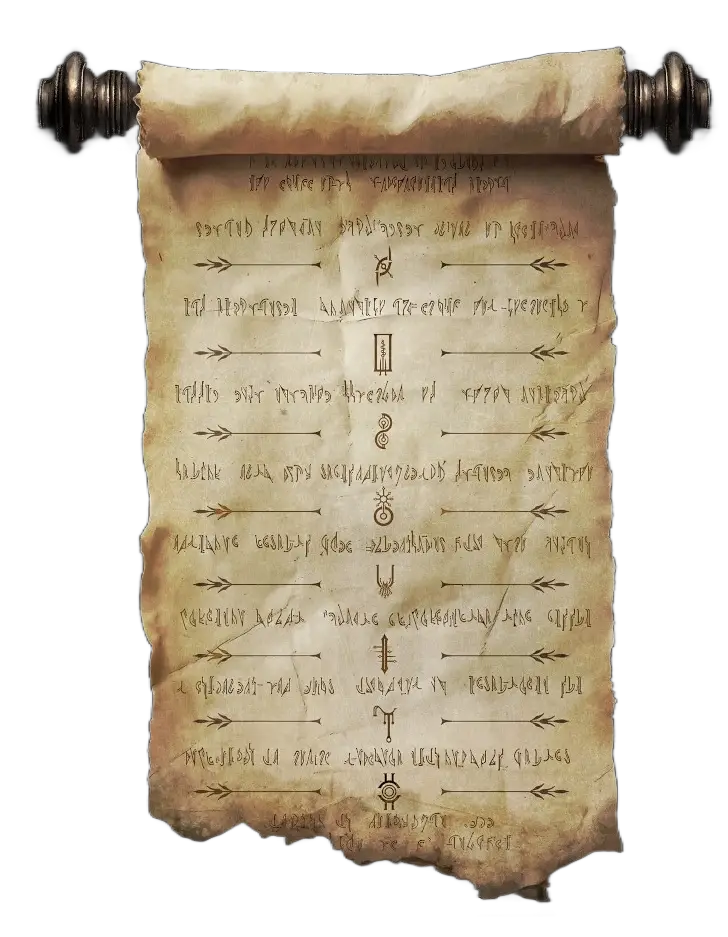

And from that moment, the war never truly stopped. The moment Sabin Gau released his thesis; all hell broke loose... quite literally. The conclave went too far, but how many of them expected this persecution to be eternal? I’d say probably none.
Yet, what if the curse of Teaar was more than tales and myths? It sure does feel that way when you consider the facts that Sabinians and Palomists have been at war almost forever.
I want to know about the conclave, who were they exactly and what was their plan. I feel like at some point they thought branding Sabinians as heretics would be a quick fix to maintain their theocracy in check. But was it also a way to send a message to anyone dissenting?
Modern Mysteries?
Beyond the general curse, Hadea is riddled with bizarre temporal anomalies. Why did Yankel commit suicide? Why does time reset every new year? Is Hadea trapped in an eternal timeloop? If so, has everyone in this country been dead for decades, forced by the curse to replay their final agonizing days like ghosts? Who triggered this, and how do you even break something that warps reality itself?
As you explore, the notes you discover paint a surreal picture. Settlers write about feeling physical shifts in time, as though abruptly dropped into the past. Others describe unbearable, looping sensations of déjà vu.
Then there is Lord Aster. Several Sabinian factions revere him with near-religious obsession. But what makes Lord Aster truly fascinating isn't his followers' fanaticism—it’s the lingering suspicion that his death triggered the temporal collapse across Hadea.
Rogue Factor scattered dozens of these narrative breadcrumbs throughout the world. And the deeper you look, the more it feels like everything converges on the second discovery of the Eye.
The Second Discovery and the Order of the Eye
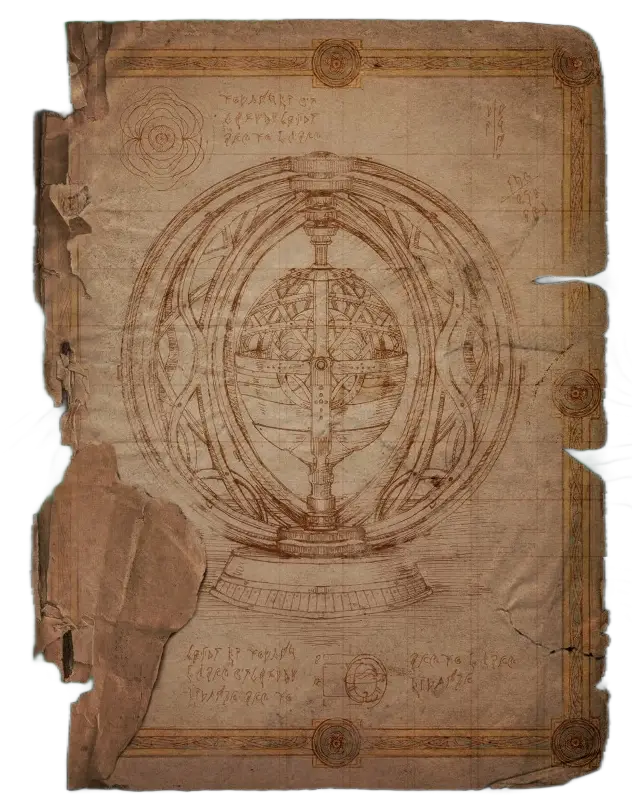
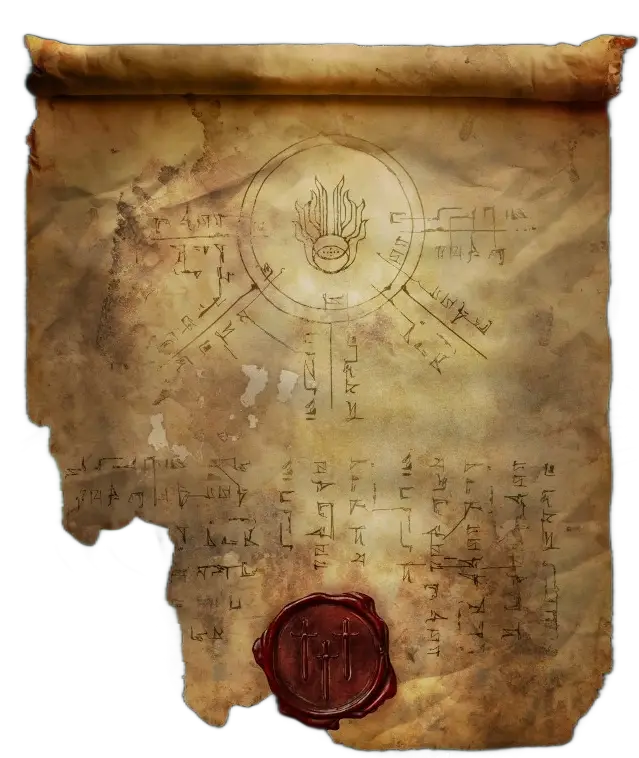
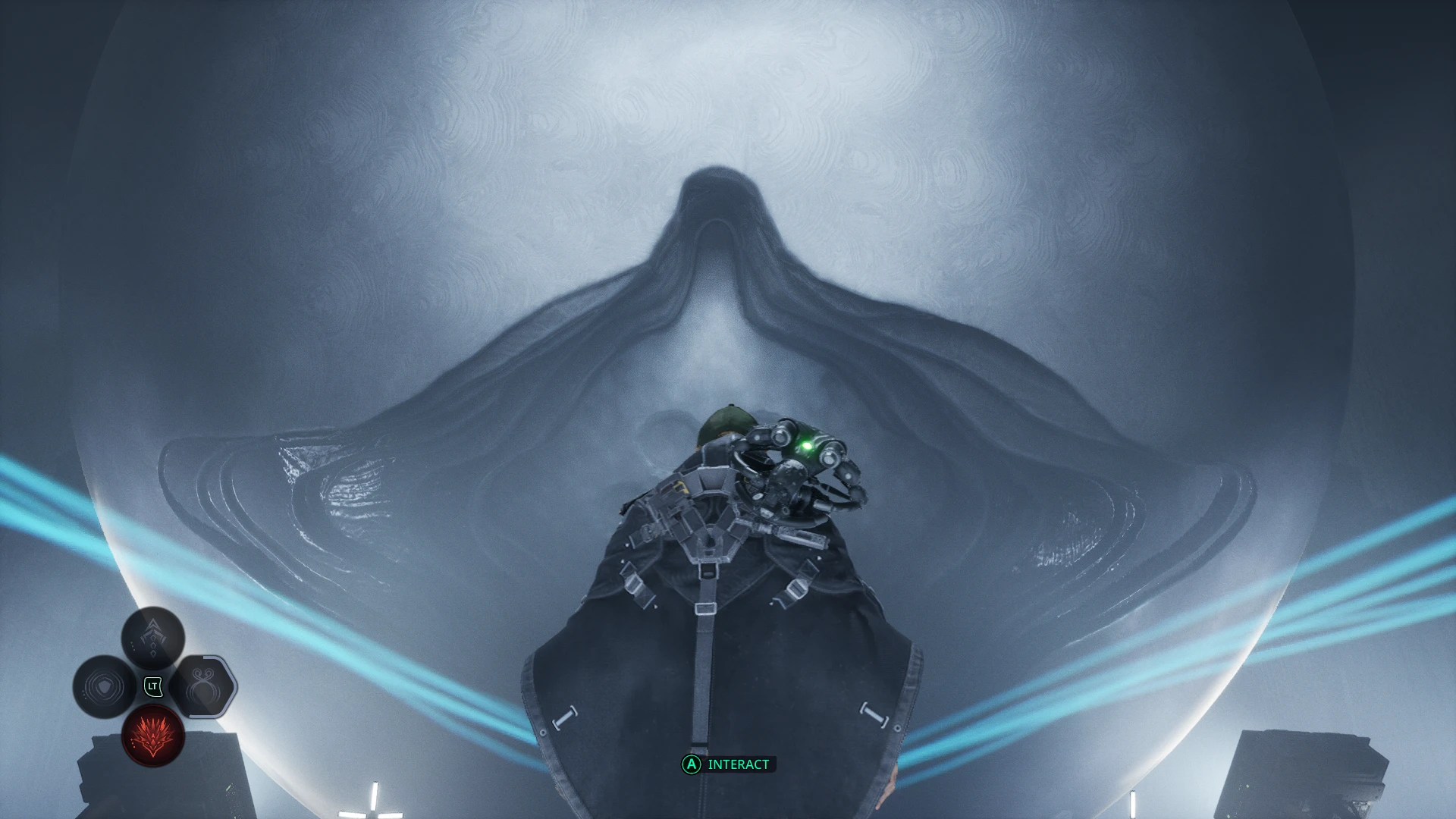
Piecing together Hadea’s timeline is messy because historical records constantly bleed across eras.
Centuries after Palom, an expedition armed with ancient texts marched into Mount Obek.
The Eye was rediscovered—uncovered a second time deep in the mountain. This rediscovery gave birth to the Order of the Eye . The scholars believed they had unlocked the dawn of a golden age—unaware they had just signed Hadea’s death warrant.
The Order treated the Eye as an emotional dampener. Their theory was simple: if you could mechanically suppress fear, malice, and rage, you could finally halt Hadea’s endless religious slaughter.
To achieve this, they built their crowning achievement: the Eminous Shroud., a massive machine engineered to project the Eye’s frequency across the entire country.
On paper, it was an audacious, desperate bid for peace—an attempt to end centuries of sectarian bloodshed sparked by Sabin Gau’s reformation.
Instead of salvation, they triggered the First Lymbic Invasion. Grotesque white entities, tied in some terrifying way to Teaar, manifested and annihilated everything in their path. Military commanders burned through hundreds of soldiers just to fell a single beast.
Blacksmiths had to rapidly adapt, harvesting creature husks to forge experimental weapons.
The invasion broke Hadea beyond repair. It forces the ultimate question: was the Eye ever benevolent to begin with? Or was human arrogance simply never equipped to harness it?
Arcas Spire: Brutality Made Monument
How far can hate truly reach?
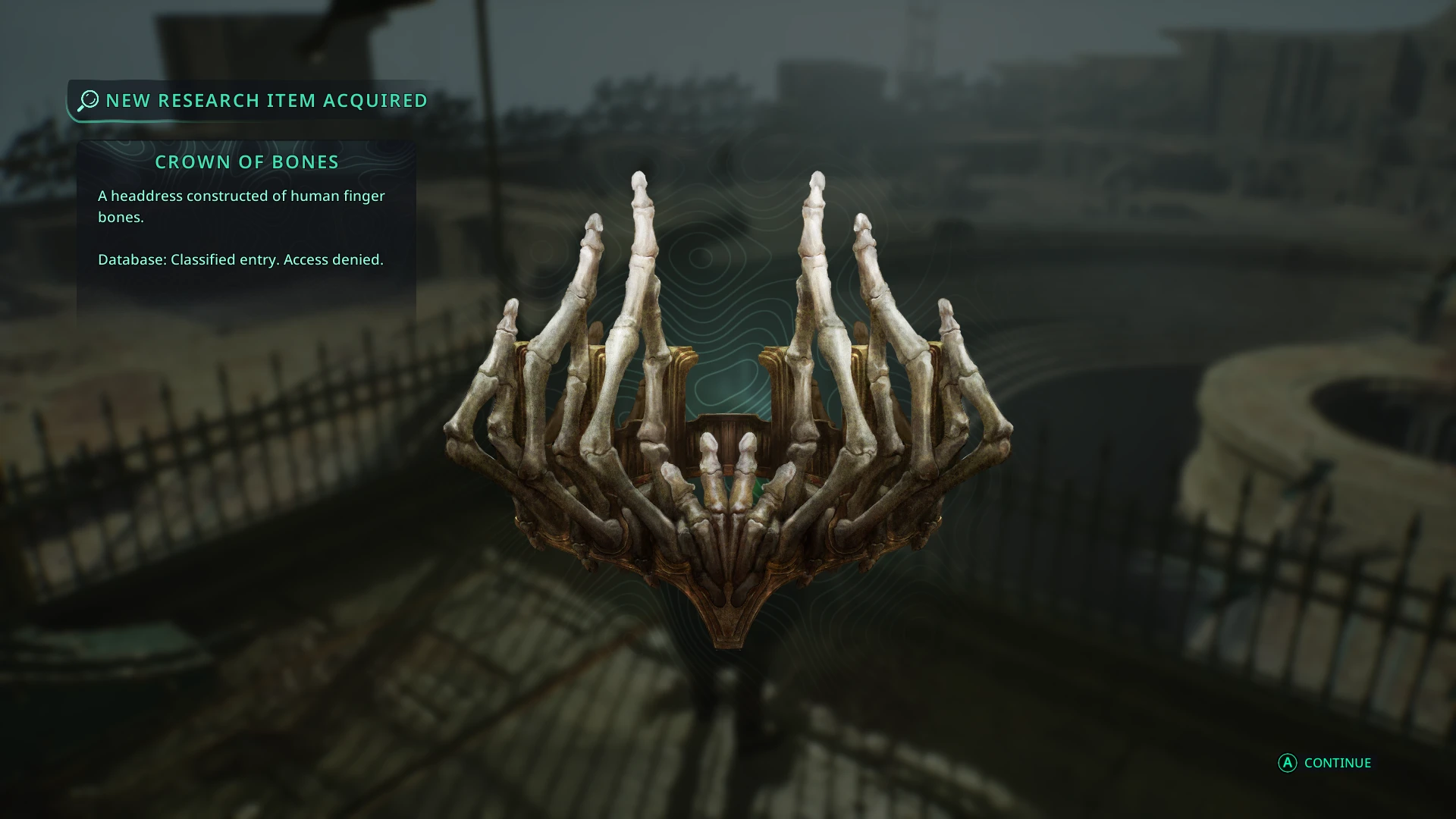
The darkest monument to Palomist history is Arcas Spire. Rising out of the Senedra Forest, it was historically ruled by Harvor Raveta—the infamous Blood Queen who crowned herself with severed Sabinian fingers. The tower made a quick death look like divine mercy.
Exploring Arcas Spire was easily my biggest \u0022holy shit\u0022 moment in the game. You quickly realize you aren't just navigating a ruined keep; it is an entire fortress designed around persecution. It was used as an inverted pilgrimage for condemned Sabinians—a journey that promised spiritual purification, but delivered systematic slaughter.
The game shows plenty of horrors—hangings, rapes, massacres—but Arcas Spire stands out because it’s systemic, institutionalized brutality.
Sometimes I wonder: how many died there? How did anyone survive it? And does modern Hadea even understand the scale of what happened? The records suggest they know pieces of it, but the full truth has been buried, watered down by time and possibly the conclave or the Order of the Eye.
Arcas Spire made me question everything about the followers of Palom. So overwhelming was their hatred against the heretics that they created a castle to conduct genocide. The notes left by the guards were as twisted as the mere existence of Arcas Spire. They salivated at the screams of the heretics and their torture. They enjoyed every bit of it, maybe a bit too much for a “holy” duty.
Arcas Spire was also one of my favorite parts of the game. Not because it is a completely messed up place, but because it was such an unexpected place to be. Sure, you do read about the Blood Queen, but nothing really prepared you for stepping into the castle.
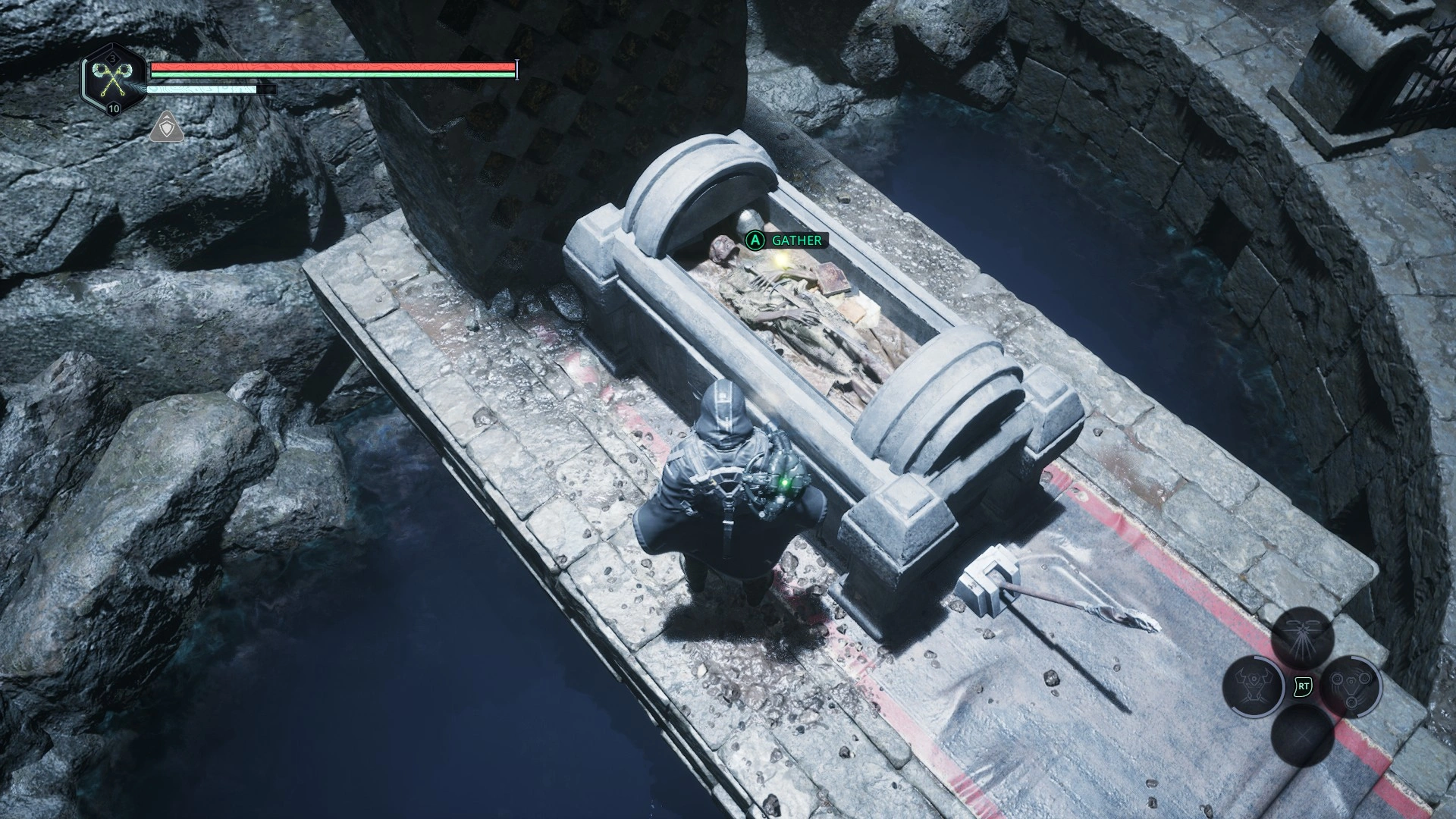
As you descended... it was just a mountain of bodies piled over. Thousands of skeletons regardless of whether they were babies or children. It was just a place where they abandoned their humanity in the name of Palom. Not Sethyris. Sethyris, as far as I know, was never used as the main excuse to execute thousands of Sabinians. The Blood Queen wanted to protect Palom’s legacy. She certainly cemented her way to do it.
The Eye’s Aftermath, Timeloops, and OMSIF
The Eye, the Order, and the Shroud all lock into the same vicious cycle. Temporal anomalies stopped being accidents and were weaponized, fueled by raw collective trauma and exploited by shadowy external factions like OMSIF and the Ziel Council.
Why weaponize a timeloop? Why keep a population trapped in perpetual grief? The game doesn't spell it out directly, but it reeks of military-industrial experimentation and resource extraction. Eternal war means eternal opportunity.
Then there’s Remi Létam. An emotionally detached operative, son of an OMSIF agent, and easily the strangest protagonist in recent memory. He claims he wants to help Hadea, but his internal motivations are paper-thin. Rogue Factor left him largely opaque, which can be frustrating given the psychological weight of the world he moves through.
Above all, the core paradox remains: if the Eye was engineered to pacify emotion, why did it summon the Lymbic abominations instead? Why did the research scientists go mad and commit suicide in its chamber? The Order resolved to destroy the artifact if containment failed—and maybe that was the only sane choice they ever made.
Closing Thoughts
Hell Is Us doesn’t hand you every answer on a silver platter—and that’s its greatest strength. It hands you loose threads and dares you to pull on them until the whole tapestry unravels.
Why did the Eye cause such widespread calamity? Are the Lymbic entities truly demons of Teaar, or are they psychological horrors birthed by the artifact itself? Did the Eminous Shroud fail simply because divine power cannot be weaponized by mortals?
I don’t know, and honestly, I don't need every mystery resolved. That lingering ambiguity is exactly why this game refuses to leave my head.
Rogue Factor has something truly special here. The combat is satisfying—even if it could use more enemy variety and fewer sponge encounters—but the undisputed star is the worldbuilding.
It's rare for me to obsess over a game’s mythology like this, but Hell Is Us got completely under my skin. To the team at Rogue Factor: do not abandon this universe. You took massive creative swings and built something unapologetically raw, bleak, and compelling. I want more.