Listen to this article
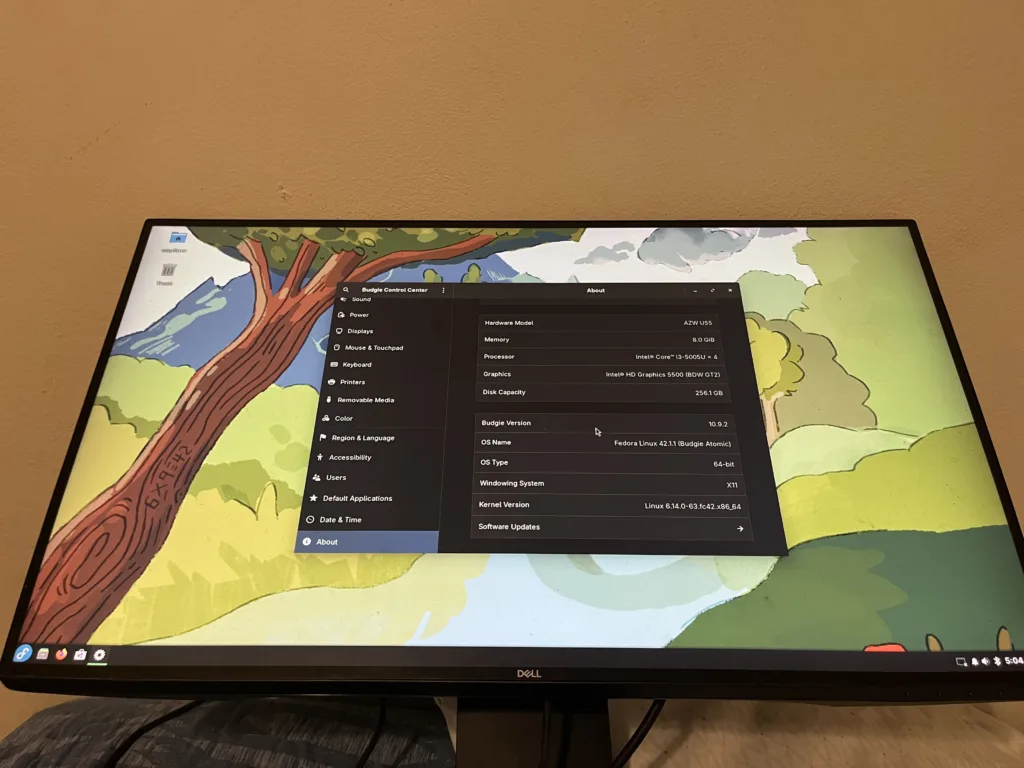
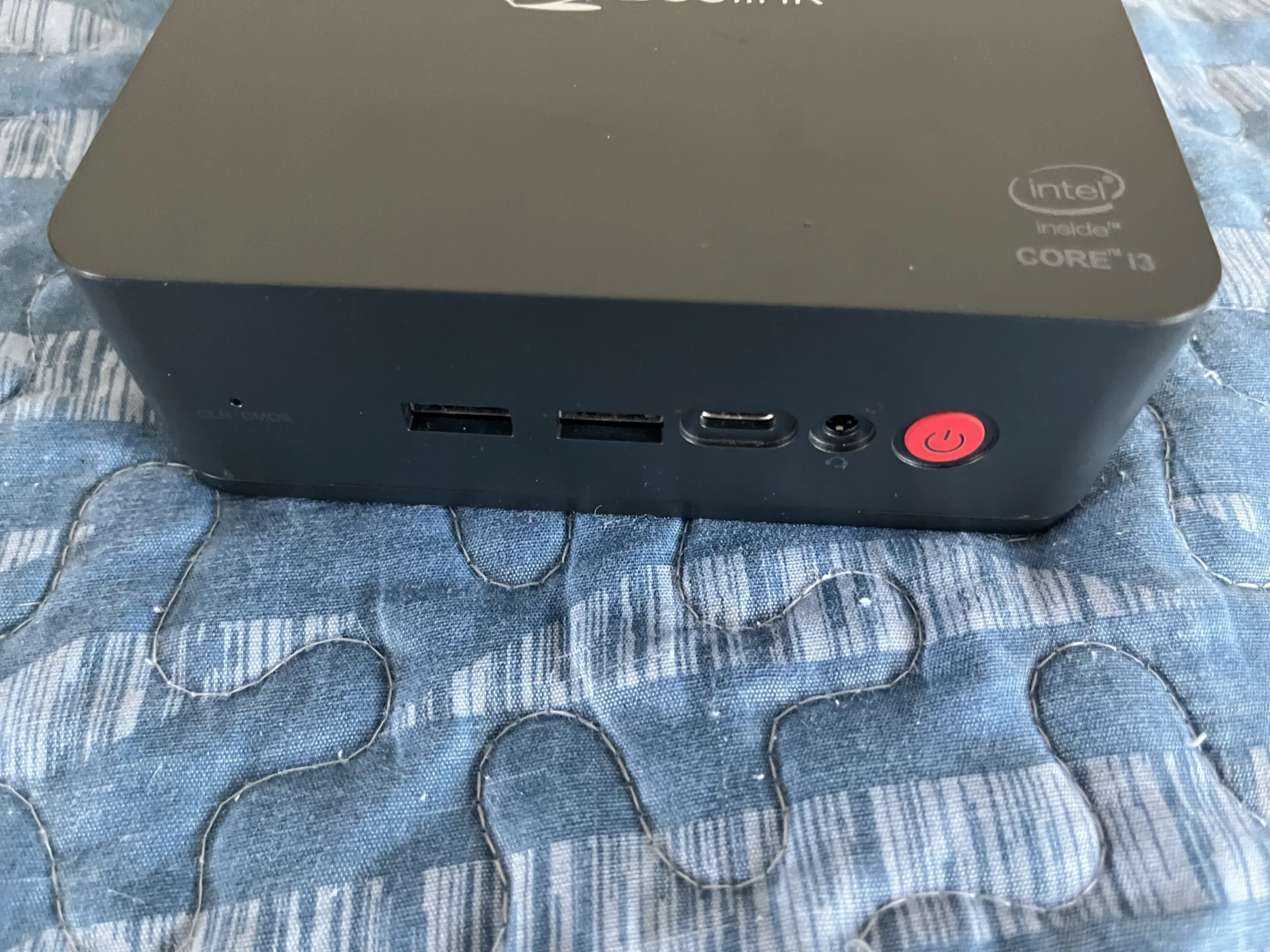
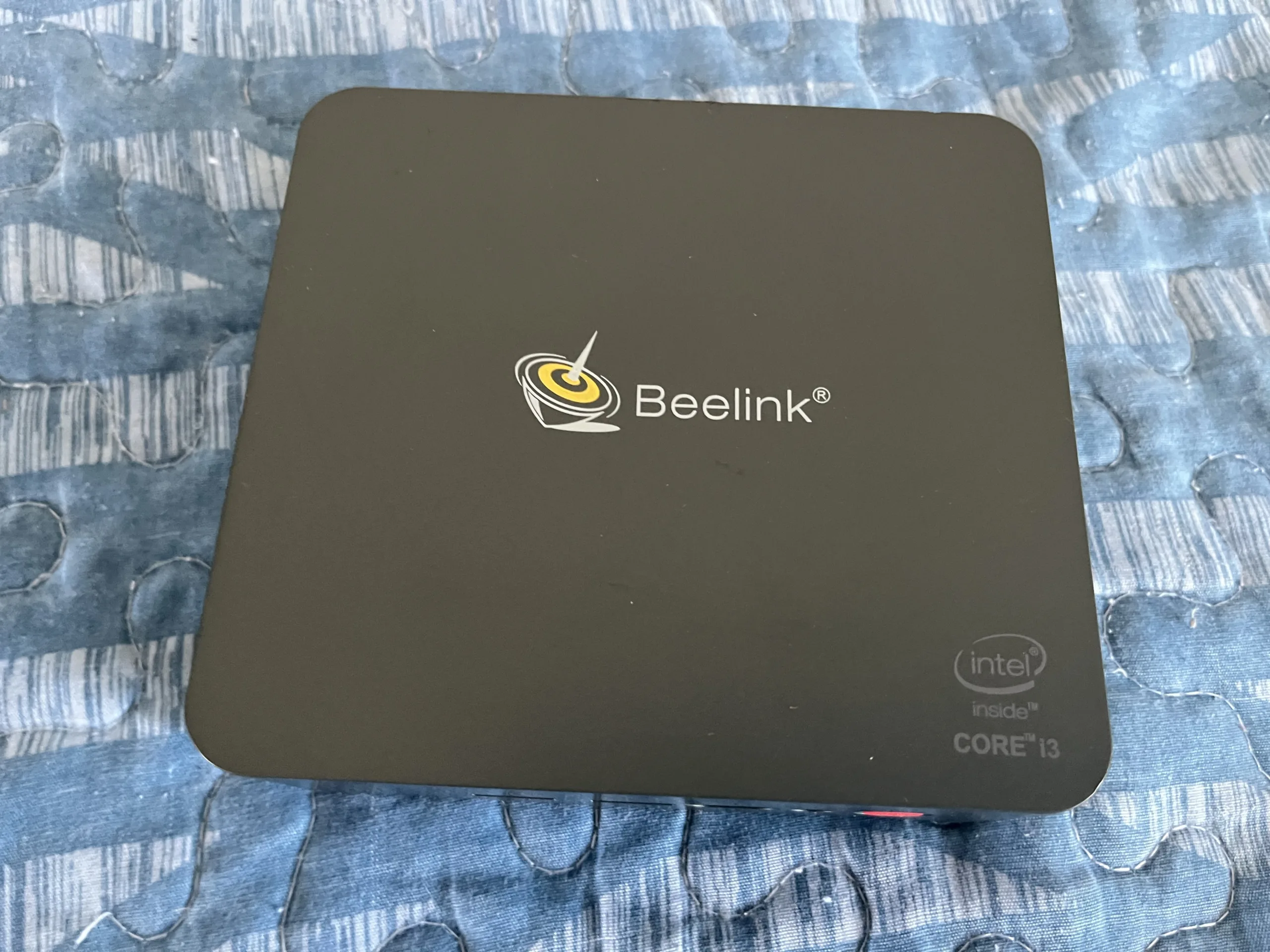
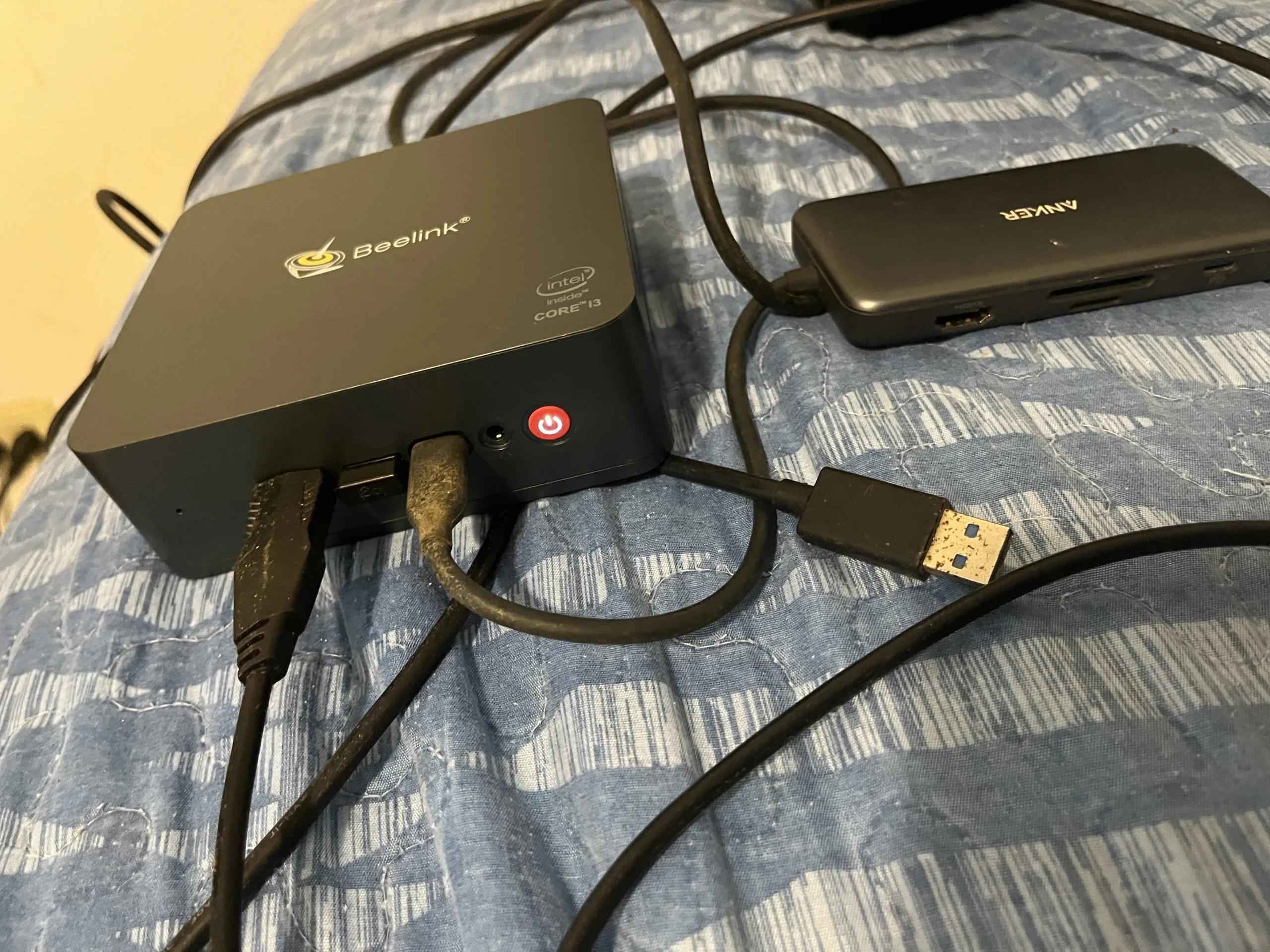
Recently, I ordered a mini PC with Intel’s i3 from eBay which amounted to $66, and in my mind a full computer for $66 is pretty darn okay. I’ve been liking Beelink products and I find them very accessible in terms of pricing. Of course, in this case it is a second-hand item.
I wanted this mini PC to be near-static, as in, I needed an atomic distribution with immutable capabilities, mostly because I don’t want to update this thing all the time and break things if I did. It’s basically having the option to fall back to an older image of the distribution of my choosing, if something went wrong.
Since I’m using this for server & storage purposes, it is connected to a 24TB hard drive, and it does feel overkill to do this. But in my mind, I’m basically future-proofing in case I do more things with this device.
Having said that, I wanted to go with a different desktop environment and found Budgie interesting. Sadly, Budgie uses X11 and I wasn’t interested in going back to X11 anytime soon. On a side note, I want to also mention that’s the default I got from the atomic version. And if you read my sentiment above, then you’ll probably be wondering why the desktop environment matters if I’m using this for server purposes.
Technically, it doesn’t. Yet I’m future-proofing in the sense that if I use it for other things, then I would expect Wayland to be used. There’s no reason in 2025 to be using X11 unless you run into all the edge cases of gaming on Linux, which is a different type of discourse given the complexity of display servers and WINE.